
WHO ARE YOU?
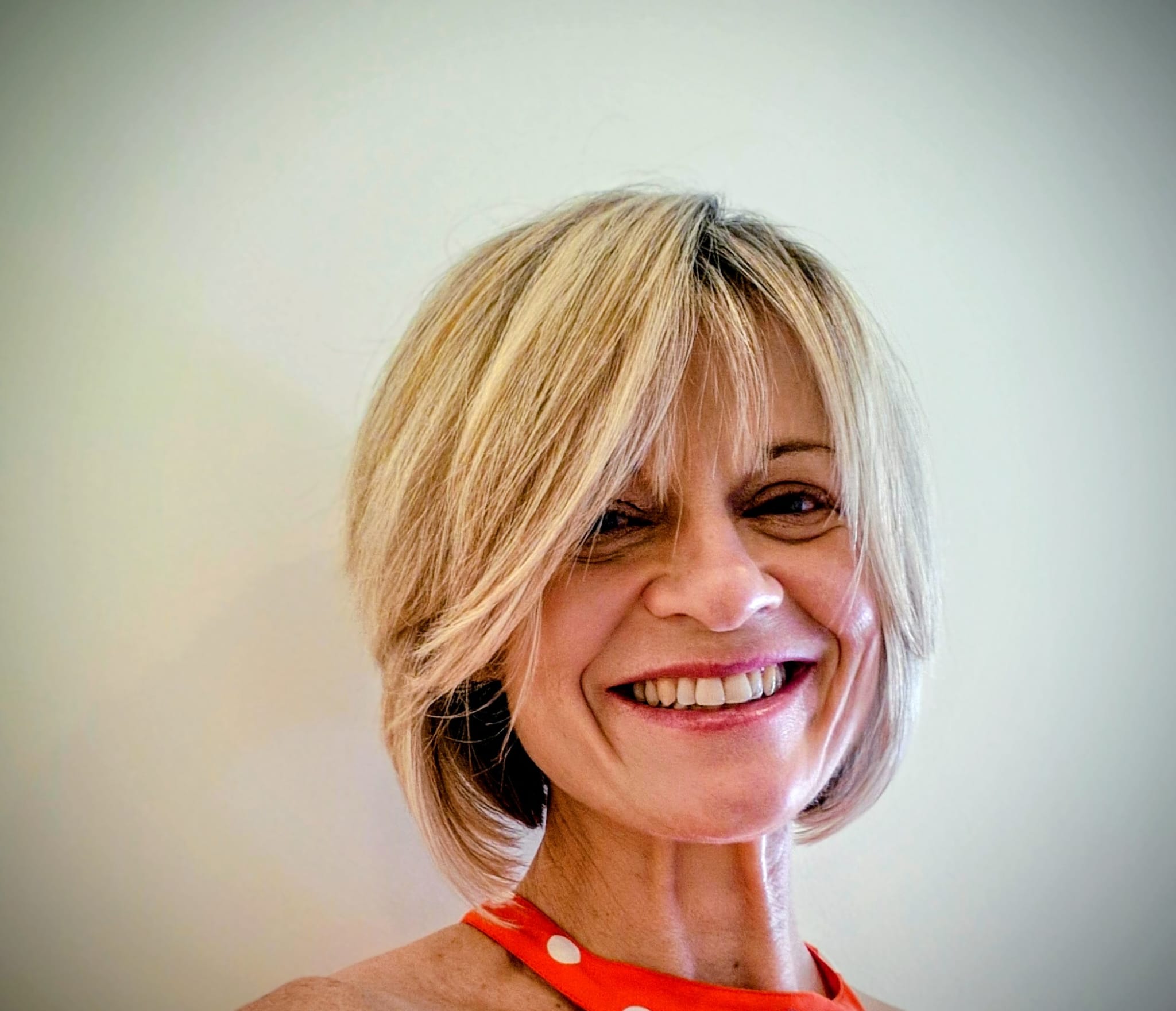
Beccy Ricketts
BADGP would like to introduce you to the ‘names’ that often get mentioned in BADGP articles, seminars, webinars, and discussions. We would like to offer our members a bit of a professional and personal insight into the details behind the ‘name’. This month we feature BADGP Committee member and Events Chair, Beccy Ricketts.
1. In what year did you start working with DG?
I began working with dangerous goods in 2002 when we set up ADR Express. My background was in international freight forwarding, but alongside my late husband, we wanted to take a different path and create our own logistics company. At that time, specialist transport of dangerous goods in the UK was limited, so we saw an opportunity to provide a dedicated, reliable service. Building ADR Express from the ground up was challenging but incredibly rewarding, and over time we grew it into a trusted provider for dangerous goods transport. I also held an ADR Driver certificate, which gave me a real understanding and appreciation of the driver’s role. My very first driving job involved delivering an arsenic-based substance to Coca-Cola in Glasgow— a journey of over 600 miles in one day! Let’s just say I quickly discovered I prefer the office.
2. In what year did you first become a DGSA and what were the reasons for you becoming a DGSA?
I became a DGSA in 2008. In the early years of ADR Express, we appointed Christine Evans, a former member of BADGP, as our DGSA. She provided us with the expert guidance we needed while the business was growing, and I learned a great deal from working alongside her. As the company developed, I felt it was important to take on the responsibility myself, both to deepen my knowledge and to ensure we could continue offering our clients the highest standards of compliance and expertise. Qualifying as a DGSA was a natural step forward and gave me the confidence to support our customers more directly.
3. Who was your biggest influence within the world of DG – who did you turn to for advice?
My first influence in dangerous goods was Christine Evans, our original DGSA, who I often turned to for advice in the early days. Later, as a member of BADGP, I was fortunate to be mentored by Desmond Waight and Jeff Hart, the former head of the DG department at the DfT. Now, as a Committee Member of BADGP, I really enjoy our WhatsApp chat group—it’s full of colleagues sharing well-rounded, thought-provoking ad vice, and it’s great to be part of those discussions.
4. How do you use the Dangerous Goods codes in your normal employment?
Luckily for me, I refer to ADR, IMDG and IATA almost every day, but it’s my ADR books that really see the most use, since my work mainly focuses on road transport.
5. What is the most serious DG related incident that you have had to deal with as a DG professional?
I haven’t personally dealt with a serious incident, but I have come across situations where regulations weren’t being followed—for example, operators attempting to move Class 1 explosive substances (not a 1.4s either) through the Channel Tunnel. Being aware of these risks has reinforced my commitment to vigilance and taking responsibility to ensure that all dangerous goods are transported safely and in full compliance.
6. What is the most rewarding DG related incident that you have had the pleasure of during your career as a DG professional?
One of the most rewarding moments in my career was when ADR Express successfully obtained the German Explosive Licence, allowing us to transport Class 1 dangerous goods through Germany and into other European destinations. This was a complex process—German regulations require that any driver carrying Class 1 explosives must hold this licence in addition to an ADR driver certificate. It took 18 months of preparation, exams in German, and a translator present during the tests. Achieving this milestone meant ADR Express could operate safely and compliantly. A particular highlight was being invited to the International Fireworks Championships in Monaco in 2010, and especially seeing one of our vehicles, loaded with 1000 kgs of Class 1.3G being escorted at night by the police along the road used for the Monaco Grand Prix—a truly memorable experience.
7. What makes you continue to be involved in the world of dangerous goods?
I love the dangerous goods world because it’s challenging, constantly evolving, and every day is a learning opportunity. When I first started, there weren’t many women involved in this field, so it was a very different environment. Today, it’s incredibly rewarding to see more women entering the industry, and being involved at committee level at BADGP has given me the chance to support and encourage this positive change. I also really value the relationships I’ve built with clients—many remember my knowledge and experience years later, even when they move to new companies, which is a wonderful feeling. Between the hands-on experience, the ongoing learning, and seeing the industry become more diverse, it’s a career I truly love and feel proud to be part of.
8. What frustrations do you have in the DG world that could do with being resolved?
Some people still see dangerous goods as intimidating, but I’d love for it to be recognised as manageable and rewarding. Organisations like BADGP play a key role in this, by providing guidance, sharing best practices, and supporting professionals across the industry, helping to make knowledge more accessible to everyone.
9. If you had one bit of advice for anyone thinking of stepping up to be a DGSA or into the world of dangerous goods, what would it be?
If you’re thinking of diving into dangerous goods, my advice is simple: keep your UN numbers to yourself at parties and maybe leave the DG photo shoots off your holiday itinerary. Not everyone appreciates hearing, ‘Hold on—I have to check how they handle this here!’
10. If you had one dangerous goods wish – what would that be?
Retire early but knowing I’ve left a lasting, positive impact on the dangerous goods community.